

Why Your Feedback Matters More at a Small Guesthouse
There is a particular kind of quiet that settles over a coastal guesthouse in the late afternoon — the tide going out, the gulls arguing over the harbour wall, and someone in the back office reading through the week's reviews. Unlike a large chain hotel, where feedback disappears into a regional report, what you write about us lands directly on the kitchen table. There is no head office, no distant management team. There is just the person who cooked your breakfast, changed your bed and will greet you again next summer.
That closeness is exactly why reviews carry so much weight. A single sentence about a squeaky door or a lukewarm coffee pot can shape what we do next week. Here is an honest look at how the comments we receive — the glowing ones and the gently critical ones — turn into practical changes that make future stays better for everyone.
Comfort: The Small Adjustments That Make a Big Difference
Comfort is rarely about grand gestures. It is about the pillow that suits your neck, the curtain that keeps out a six o'clock sunrise in June, and the radiator that does not tick all night. When guests mention these details, we can act on them quickly.
- Pillow choices. After several guests mentioned waking with stiff necks, we started offering a firm and a soft option in every room, labelled so you do not have to guess.
- Blackout linings. Coastal summers are bright and early. Reviews mentioning early waking led us to add proper blackout linings rather than thin curtains in sea-facing rooms.
- Window noise. Sash windows are charming and rattly in equal measure. A note about wind whistling through a frame is a job for the joiner, not a complaint to ignore.
- Wet-weather kit. Hooks by the door, a boot tray and a drying rack for waterproofs came directly from walkers telling us their gear stayed damp for days.
Cleanliness: The Detail Guests Notice First
Nobody writes a review about the skirting boards unless something is wrong with them. Cleanliness is the quiet foundation of a good stay, and coastal properties face particular challenges: sand, salt, damp air and the fine grit that finds its way into every hallway within an hour of a beach walk.
Feedback helps us spot the things routine cleaning can miss. A passing comment about limescale in the kettle, or about a shower head that has lost its sparkle, tells us our hard water needs more attention than a weekly descale. Repeated mentions of sand in the entrance have led to better matting and a brush kept by the front door. One guest's remark about the bathroom grout prompted a full re-grout in two rooms over the winter.
We now run a seasonal deep clean between busy periods, working through a checklist that has been shaped almost entirely by what guests have flagged. Your eye for detail genuinely does set our standards.
Breakfast: Where Reviews Are Most Passionate
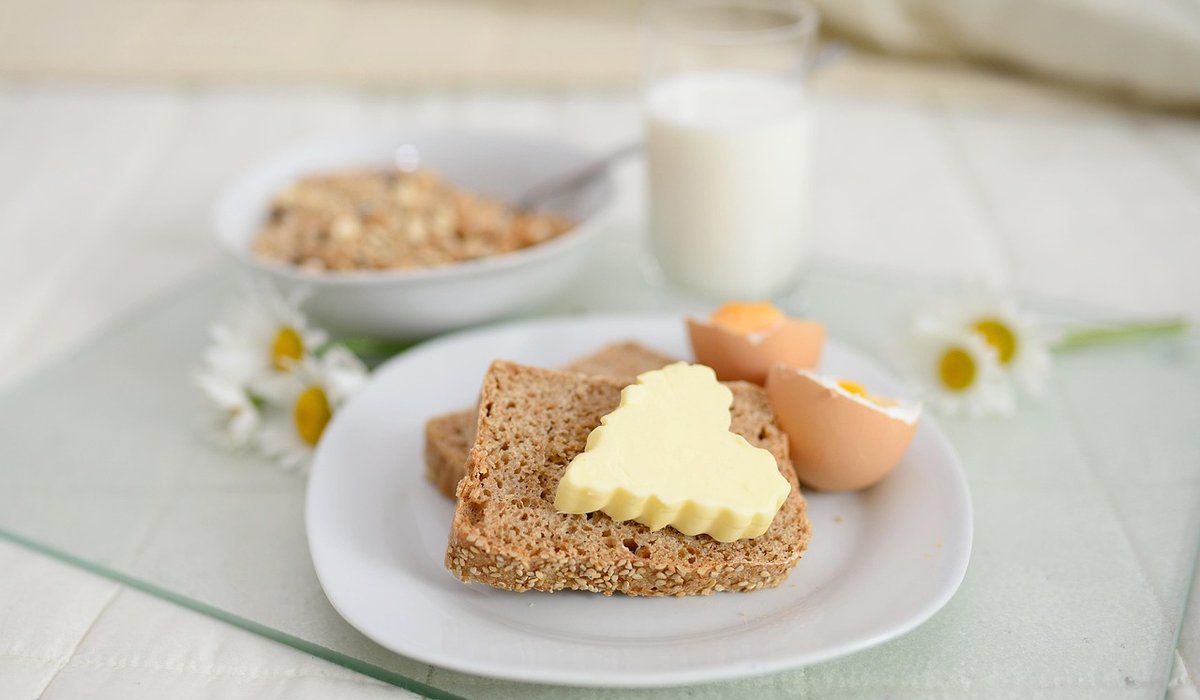
If there is one subject that gets guests writing, it is breakfast. People remember a properly cooked kipper, a pot of proper leaf tea and a slice of homemade marmalade long after they have forgotten the room number.
- Timings. Requests from early ferry passengers and dawn walkers led us to offer a continental tray from half past seven, with a packed version for anyone leaving before that.
- Dietary needs. Gluten-free bread, plant-based spreads and a proper vegetarian cooked option are now standard, because guests asked rather than assumed.
- Coffee and tea. A handful of comments about the coffee were enough to switch to a local roast and fresh milk in a jug instead of sachets.
- Portion honesty. We would rather you tell us the porridge was too generous than leave it untouched in silence.
From Comment to Change: How We Act on What You Tell Us
Reading reviews is only half the job. Every month, we sit down with a notebook and sort comments into three piles: quick fixes, recurring themes and longer-term investments. A single remark about a hard mattress might be a personal preference, but three in a season is a pattern, and patterns get money spent on them.
We also try to close the loop. When a change comes directly from feedback, we say so — in the welcome folder, on the noticeboard by the stairs, or simply in conversation over breakfast. It matters to us that you can see your influence, and it encourages the next guest to speak up rather than quietly mark us down.
How to Leave Feedback That Helps Us Most
The most useful reviews are specific and kind. "The sash window in Room 6 rattled in the wind" tells us exactly what to fix. "It was noisy" leaves us guessing. If you can, mention the room name, the time of day and what would have made it better.
Please also tell us what worked. If you loved the homemade shortbread, the view from the top landing or the fact that we lend out umbrellas, say so — otherwise we might change it while chasing improvements elsewhere. And if something is wrong during your stay, mention it then. A dripping tap or a lumpy pillow is usually sorted the same afternoon, and you leave with a better memory than a review written in frustration a week later.


Coding is used in almost all aspects of life and work now, be it directly or indirectly. It’s not just for companies in the tech sector. “An increasing number of businesses rely on computer code,
Coding is used in almost all aspects of life and work now, be it directly or indirectly. It’s not just for companies in the tech sector. “An increasing number of businesses rely on computer code,
Coding is used in almost all aspects of life and work now, be it directly or indirectly. It’s not just for companies in the tech sector. “An increasing number of businesses rely on computer code,